

If you live in Gainesville, chances are you’ve heard neighbors talk about hard water and soft water. Maybe you’ve noticed white spots on your dishes or felt your skin dry after a shower. But what’s actually going on in your water? And why do so many homeowners choose to install water softeners?
In this guide, we’ll break it down in simple terms. No technical jargon, no confusing chemistry, just clear, practical information you can use.
Table of Contents
| Sr# | Headings |
|---|---|
| 1 | Introduction to Water Hardness |
| 2 | What is Hard Water? |
| 3 | What is Soft Water? |
| 4 | How Water Gets Hard or Soft |
| 5 | Signs You Have Hard Water in Gainesville |
| 6 | The Science Behind Water Hardness |
| 7 | How Gainesville’s Water Supply Measures Up |
| 8 | Benefits of Soft Water in Gainesville |
| 9 | Downsides of Hard Water |
| 10 | How to Test Your Water at Home |
| 11 | Water Softeners: How They Work |
| 12 | Comparing Costs: Hard vs. Soft Water |
| 13 | Impact on Appliances and Plumbing |
| 14 | Health Considerations |
| 15 | Final Thoughts |
1. Introduction to Water Hardness
Water hardness refers to the amount of dissolved minerals, primarily calcium and magnesium, in your water. Imagine water as a delivery truck: if it’s loaded with extra minerals, it’s considered “hard.” If it’s carrying very few, it’s “soft.”
2. What is Hard Water?
Hard water is water that has high levels of calcium and magnesium. These minerals aren’t harmful to drink, but they can cause buildup on pipes, soap scum in your shower, and spots on your glassware.
Think of it like making tea in a pot; after several uses, you’ll see a chalky residue inside. That’s basically what’s happening in your plumbing system over time.
3. What is Soft Water?
Soft water contains very little calcium and magnesium. Instead, it may have small amounts of sodium or potassium. It feels smoother on your skin and helps soap lather better.
For many homeowners, soft water is the “spa treatment” version of water – gentler, cleaner, and better for their home’s systems.
4. How Water Gets Hard or Soft
Water starts as rain, which is naturally soft. As it travels through soil and rock, it picks up minerals. If your area’s geology is rich in limestone or chalk, your water will likely be hard.
In Gainesville, much of the groundwater passes through mineral-rich layers, making hardness a common issue.
5. Signs You Have Hard Water in Gainesville
Not sure if your water is hard? Look out for these telltale signs:
- White spots on dishes and glassware
- Soap that doesn’t lather well
- Dry, itchy skin after showering
- Faded or stiff laundry
- Buildup in kettles, coffee makers, and pipes
If you’ve nodded “yes” to two or more of these, chances are your water is on the hard side.
6. The Science Behind Water Hardness
Water hardness is measured in grains per gallon (gpg) or milligrams per liter (mg/L).
- Soft water: 0–3 gpg
- Moderately hard water: 4–7 gpg
- Hard water: 8–10 gpg
- Very hard water: 11+ gpg
In Gainesville, water often tests between 8–12 gpg, which puts it in the “hard” to “very hard” range.
7. How Gainesville’s Water Supply Measures Up
Gainesville’s main water comes from the Floridan Aquifer, which naturally has high mineral content. While this makes the water safe and healthy to drink, it also means mineral deposits in homes are common.
8. Benefits of Soft Water in Gainesville
Switching to soft water in Gainesville can bring big improvements:
- Longer appliance lifespan – Less scale buildup means water heaters, dishwashers, and washing machines last longer.
- Lower energy bills – Appliances run more efficiently without mineral deposits.
- Softer skin and hair – Soap rinses cleanly without leaving residue.
- Brighter, softer laundry – Clothes feel fresher and colors last longer.
- Cleaner dishes and fixtures – No more stubborn spots or streaks.
9. Downsides of Hard Water
Hard water can be a slow and silent troublemaker:
- Clogged pipes – Mineral deposits restrict water flow.
- Extra cleaning work – Soap scum and spots appear faster.
- Higher energy use – Scale buildup in heaters forces them to work harder.
- More money spent on detergents and cleaning products – You need more to get the same cleaning effect.

10. How to Test Your Water at Home
Testing your water is easier than you might think.
- DIY Test Kits – Available at hardware stores for under $20.
- The Soap Test – Fill a bottle halfway with tap water, add a few drops of liquid soap, and shake it. If there’s little to no lather, your water is likely hard.
- Professional Testing – Many water treatment companies in Gainesville offer free water tests.
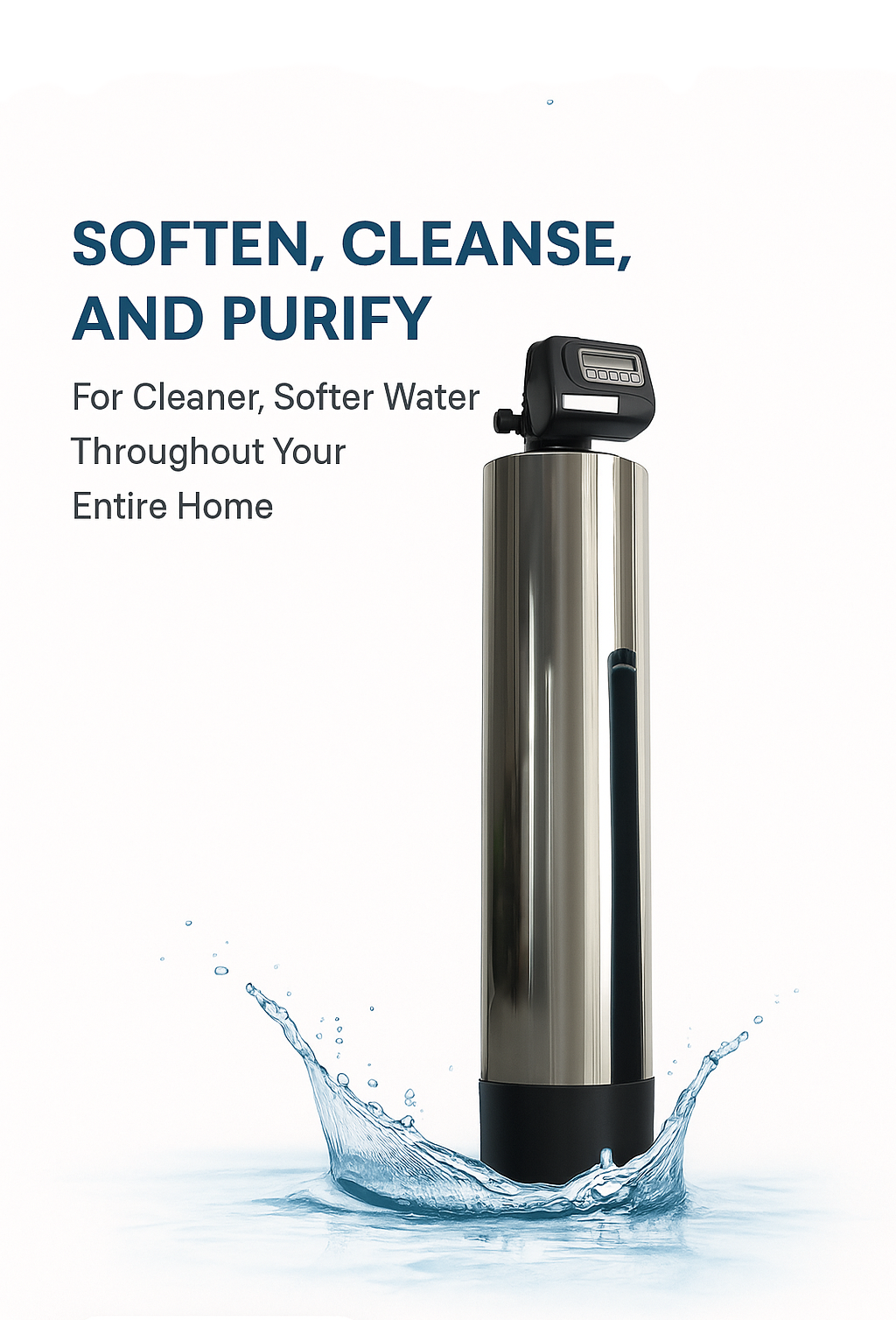
11. Water Softeners: How They Work
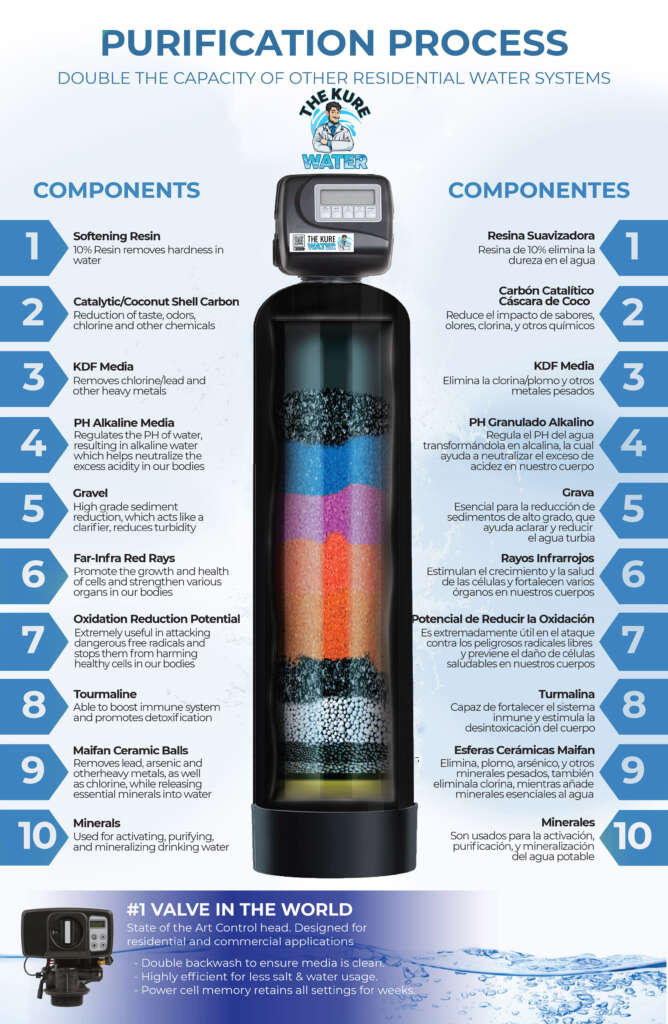
A water softener swaps calcium and magnesium ions with sodium or potassium ions through a process called ion exchange.
Picture it like a “trade market” inside the tank, minerals are swapped out, leaving the water soft and ready to flow through your home without causing buildup.
12. Comparing Costs: Hard vs. Soft Water
Hard water might seem “free” if you already have it, but over time, it can cost more than soft water:
- Repair costs from clogged appliances
- Health Issues
- Extra cleaning supplies
- Higher energy bills
Installing a water softener is an investment, but it often pays for itself within a few years.
13. Impact on Appliances and Plumbing
Hard water leaves behind a chalky film inside pipes, reducing flow and forcing appliances to work harder.
Soft water, on the other hand, keeps your system clean, meaning your dishwasher, water heater, and washing machine can live longer, happier lives.
14. Health Considerations
Hard water isn’t dangerous to drink; some people prefer its mineral taste. But if you have sensitive skin, eczema, or brittle hair, soft water can make a noticeable difference in comfort and appearance.
15. Final Thoughts
In Gainesville, hard water is the norm, but that doesn’t mean you have to live with its downsides. Soft water in Gainesville can improve your home’s comfort, save money, and protect your appliances.
Whether you’re dealing with stubborn spots on glassware or you just want smoother skin, switching to soft water could be one of the best home upgrades you make this year.
[contact-form-7 id="9d999c8" title="Contact form 1"]FAQs
1. Is hard water safe to drink?
Yes, hard water is safe to drink. It’s mostly a nuisance for cleaning and plumbing, not a health hazard.
2. Does Gainesville have hard water?
Yes, most of Gainesville’s water is classified as hard to very hard due to high calcium and magnesium levels.
3. Will a water softener make my water taste salty?
Not noticeably. The sodium added is minimal and usually undetectable.
4. How long does a water softener last?
With proper maintenance, a quality water softener can last 10–15 years.
5. Can I install a water softener myself?
Some homeowners do, but professional installation ensures proper setup and performance.